← Back to overview

Where these formats go

Three site types we quote for

The format you choose follows the site, not the budget. Below is what each segment actually looks like — so you can match the array to the ground under it.
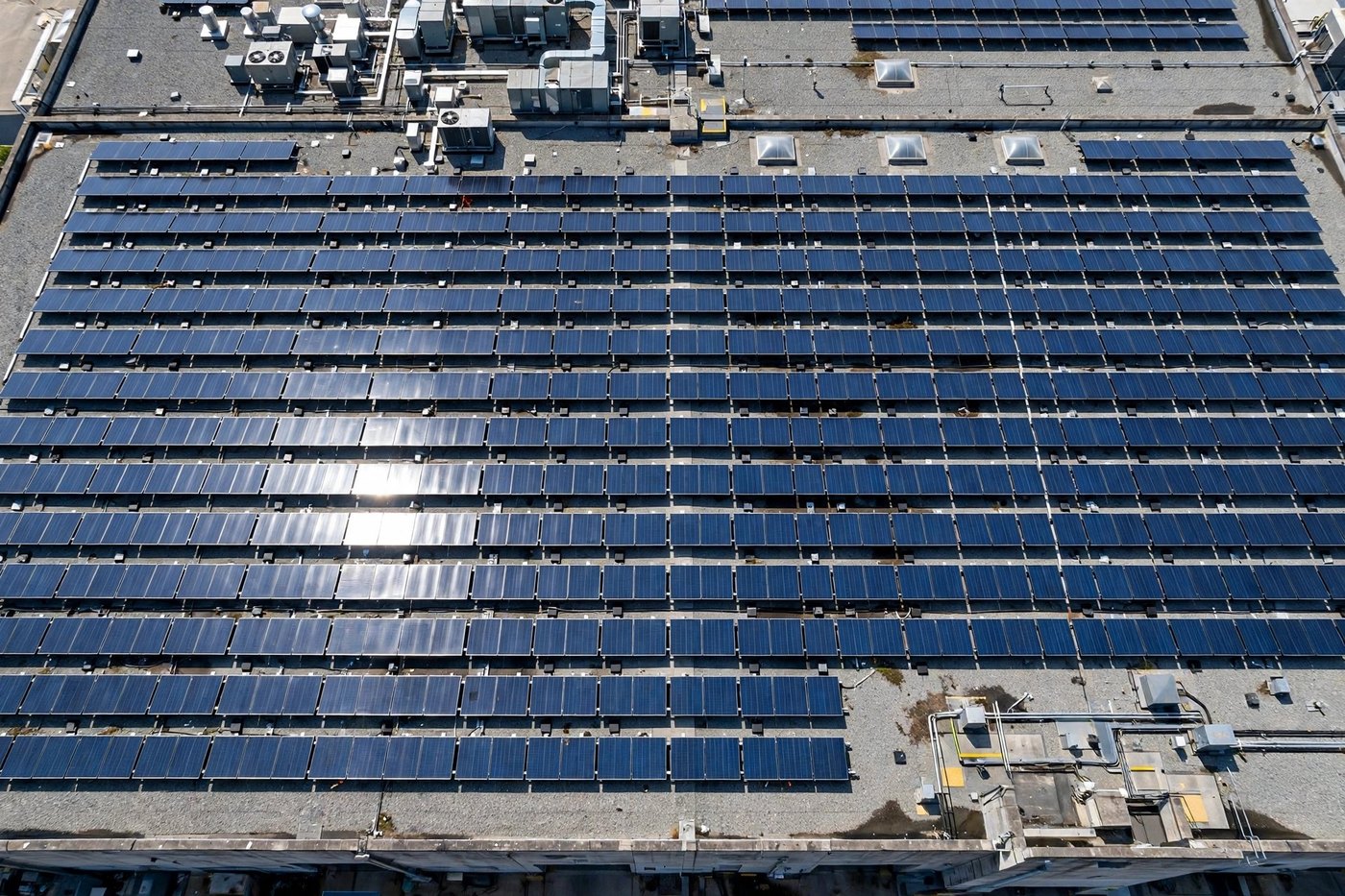
Commercial and industrial rooftop array
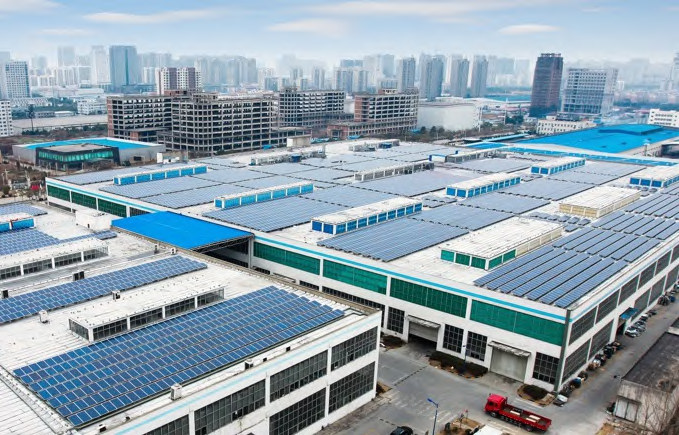
Commercial & industrial rooftop. 1–5 MW typical, 1100 V strings, existing roof structure. The 182R format wins here: 33.5 kg is a two-person carry onto a roof.
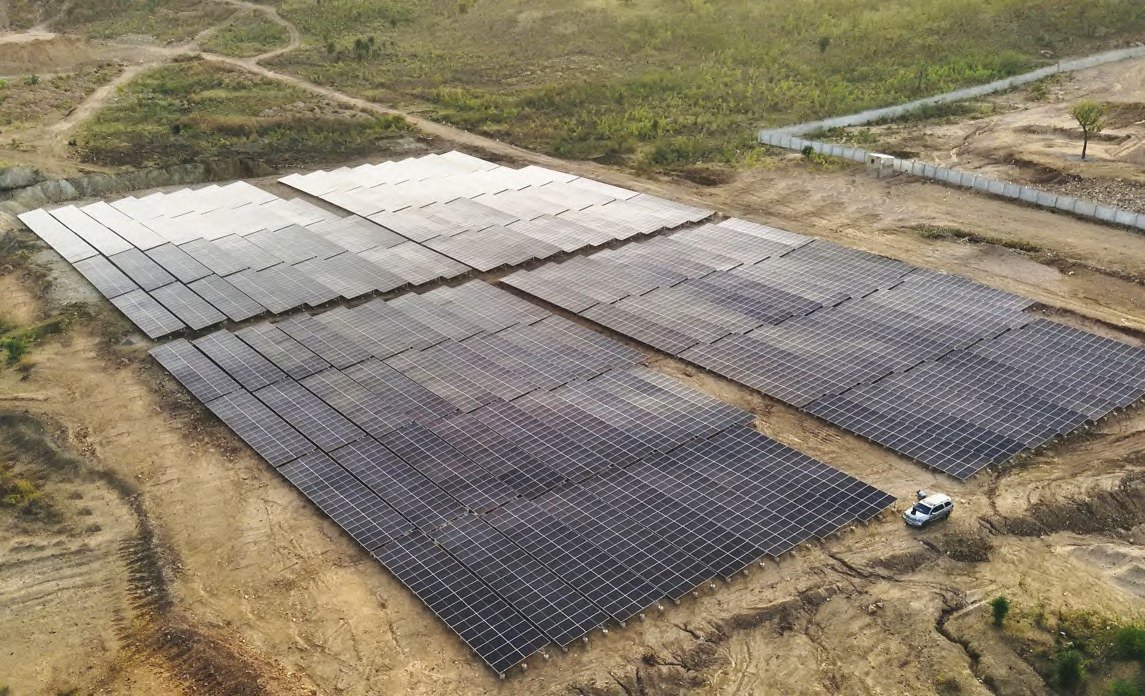
Ground-mounted solar array in arid terrain
Ground-mount in arid terrain. Gulf, West and North Africa, Central Asia. Soiling and heat dominate the yield model — the anti-dust frame and the −0.30 %/°C coefficient both matter.
Off-grid solar and battery microgrid
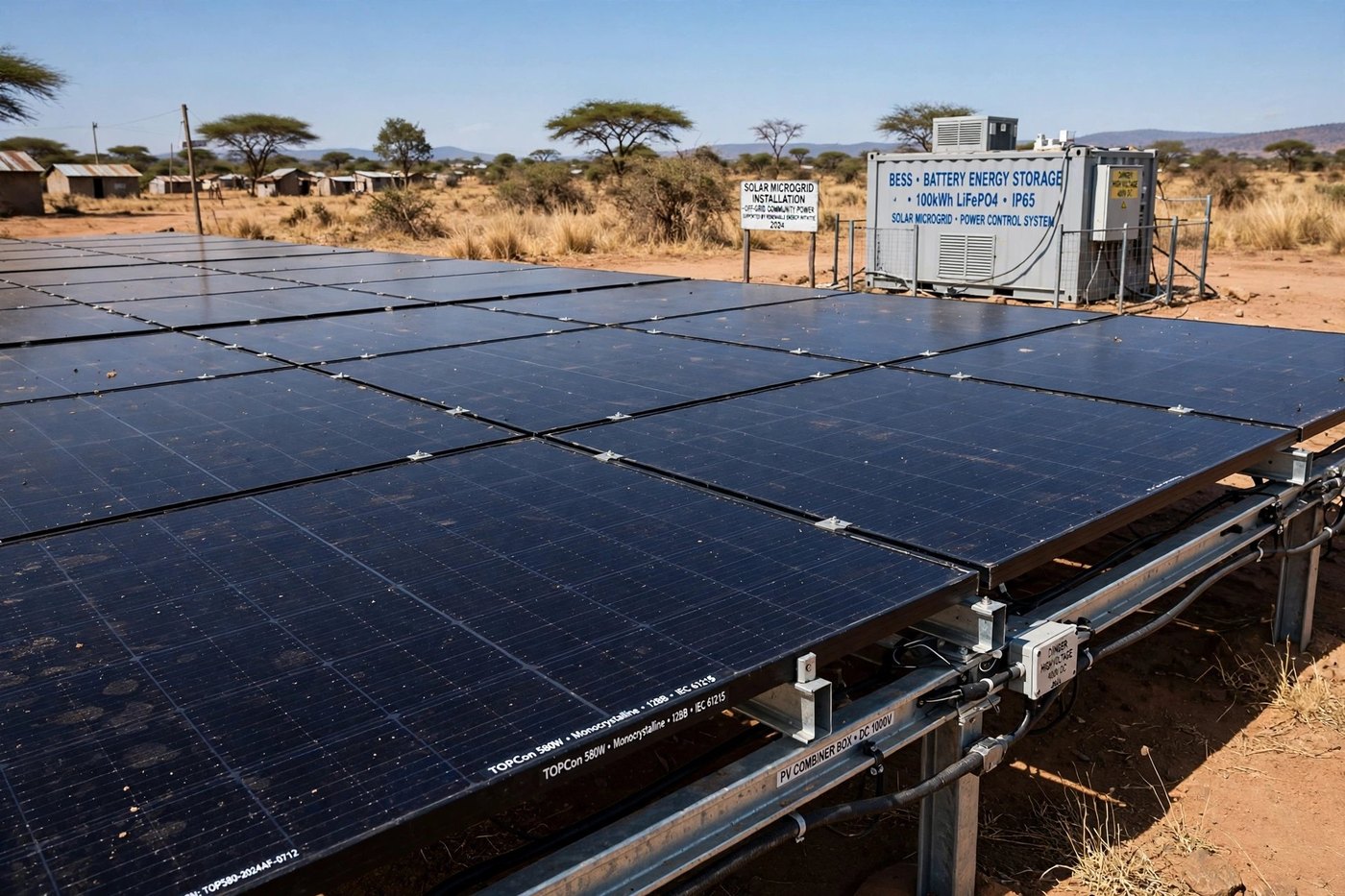
Off-grid and hybrid microgrid. Telecom sites, remote settlements, mining camps. Array size is set by the daily kWh load, not by roof area. We supply the panels only — we are not quoting batteries or inverters on this line, so size the array with whoever supplies your storage.
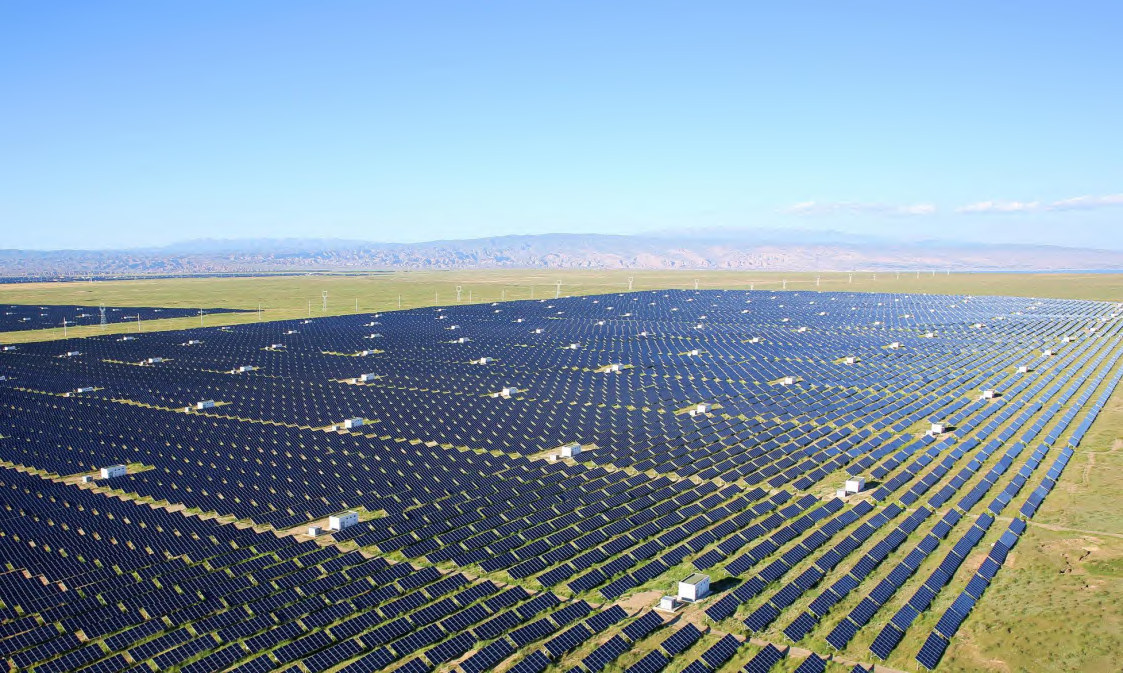
About these images. The banner at the top of this page, the rooftop shot and the off-grid shot are illustrations of the site type — not photographs of projects we delivered. The ground-mount photograph is a real reference installation of our manufacturing partner, as are the two photographs in the section below. We do not present rendered or stock imagery as our own track record. Ask us for the project list with capacity, country and commissioning dates — subject to the end client's permission.

Component detail
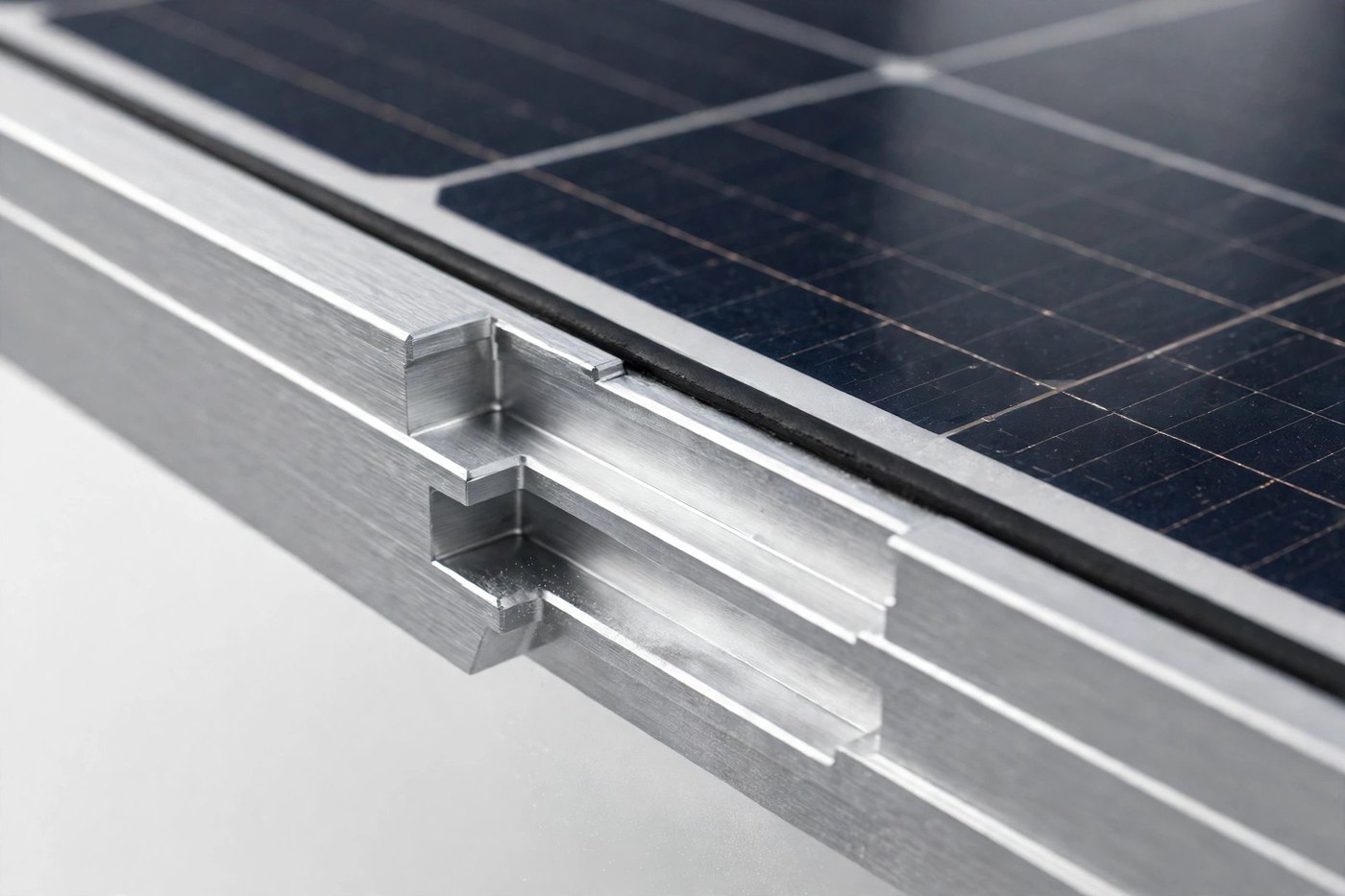
Close-up of module frame with anti-dust profile
Anti-dust frame (182R only). The raised short-edge profile lets rain carry soiling off the glass instead of trapping it at the bottom rail. Independent field data for this frame class sits at 1–3 % additional yield, depending on rainfall, tilt and dust type.
Close-up of N-type TOPCon cell surface
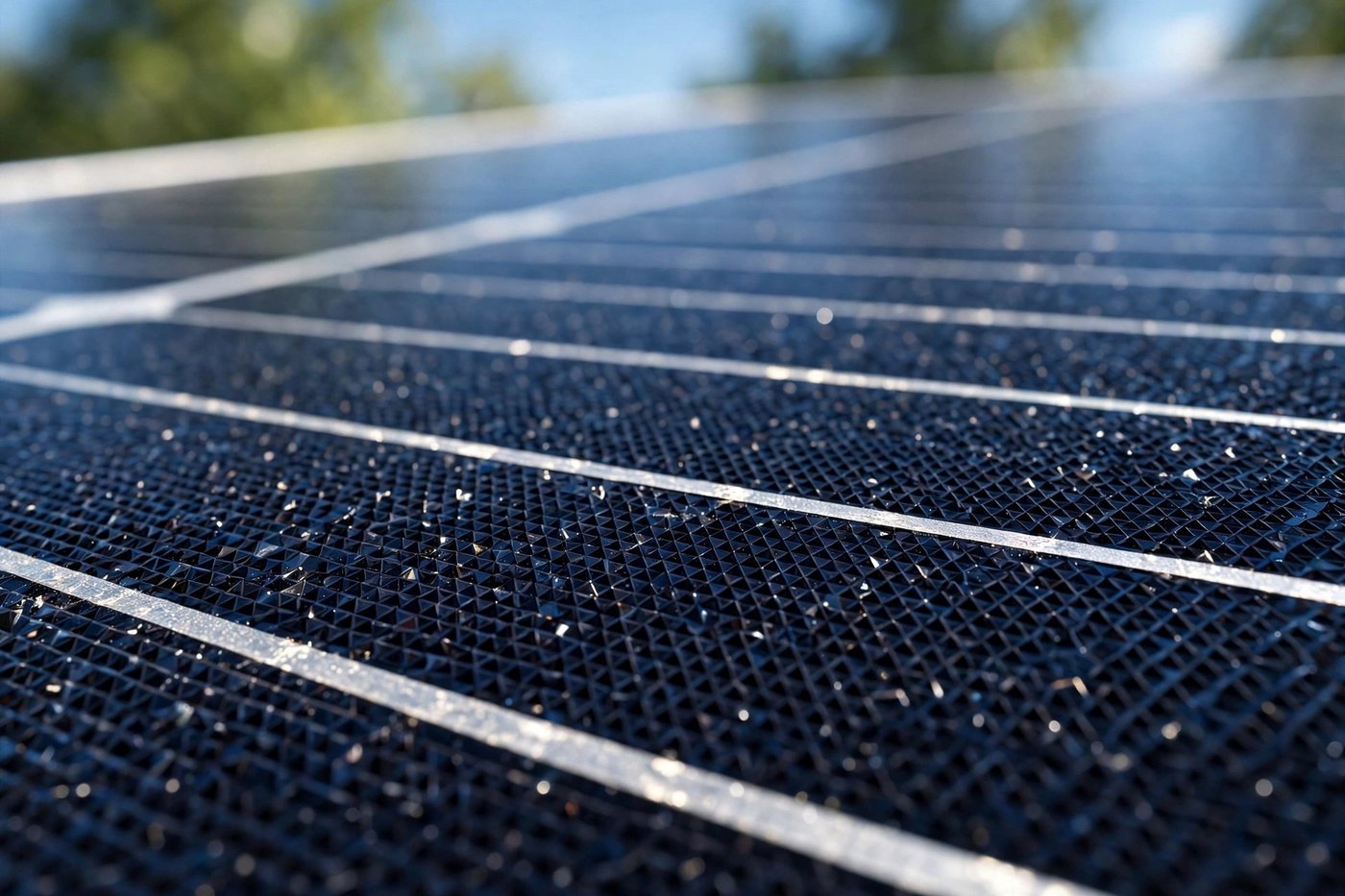
N-type TOPCon cell surface. Fine busbar spacing and the passivation stack are what separate a 23.50 % module from a 21 % one. This is the same cell platform across all three formats.
Where these are made

A TOPCon line you can audit

PeakArray is an export operation working with a TOPCon manufacturing base in Zhejiang, China. The producer of record on export documents is that facility. Your contract, your documents and your quality recourse sit with PeakArray — one point of contact.

Ground-mounted solar plant
Reference ground-mount installation by the manufacturing partner.
Commercial rooftop solar installation
Commercial rooftop array — the segment these formats are sized for.

Quality controls you can test

  • Two full EL (electroluminescence) inspections per module
  • Per-module serialisation, traceable for the module's life
  • AI inline inspection plus six QC gates
  • Batch COA and IV test report with every shipment

Certifications held

IEC 61215 design qualification IEC 61730 safety qualification IEC 61701 salt mist corrosion IEC 62716 ammonia corrosion ISO 9001 quality ISO 14001 environmental ISO 14064 GHG verification CE / CQC TÜV NORD salt mist & ammonia test reports
What we do not claim. These modules are not UL-listed, so we do not sell into the United States. There is no EPD, no WEEE registration and no IEC 62938 non-uniform snow-load certification at the time of writing — if your tender requires any of those, we will tell you plainly instead of bidding and losing your deposit. We also do not claim a bankability tier: this is a value play, not a project-finance play.
How an order runs

Four steps, no surprises

Tell us the site

Country, segment (rooftop / ground / off-grid), DC size, inverter make and model, design ambient temperature.

We quote and check fit

FOB or CIF price per watt, container count, string design, and an honest flag if a format does not suit your inverter.

You inspect before paying the balance

Third-party pre-shipment inspection (SGS / BV / TÜV) at AQL 2.5, EL sampling, loading filmed container by container.

Ship and document

Bill of lading, packing list, certificate of origin, batch COA, and the warranty certificate in English, assignable to your end client.